Paul McCann Training
Evacuation Chair Training, Sales & Inspection Across the Midlands
Training | Sales | Installation | Maintenance
Helping businesses, schools, healthcare providers and public organisations safely evacuate people with reduced mobility through practical training, expert advice and compliant evacuation chair solutions.
Meet Paul McCann
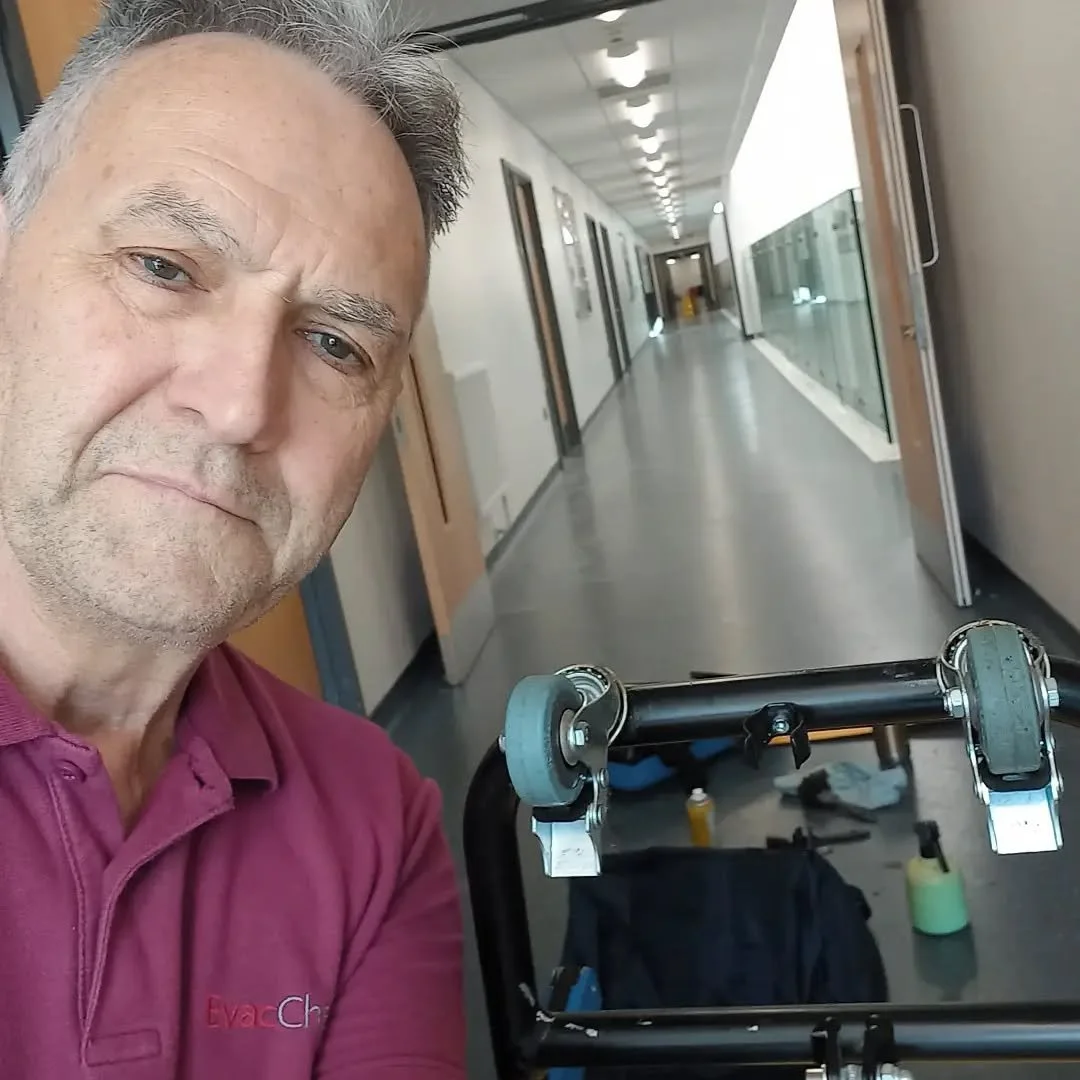
I'm Paul McCann, and I've spent many years helping businesses, schools, care providers, local authorities and public organisations improve their emergency evacuation arrangements.
I provide practical evacuation chair training, independent advice, equipment inspections and supply suitable evacuation chairs throughout the West Midlands and surrounding areas.
My aim is simple - to help organisations keep people safe while meeting their legal responsibilities.
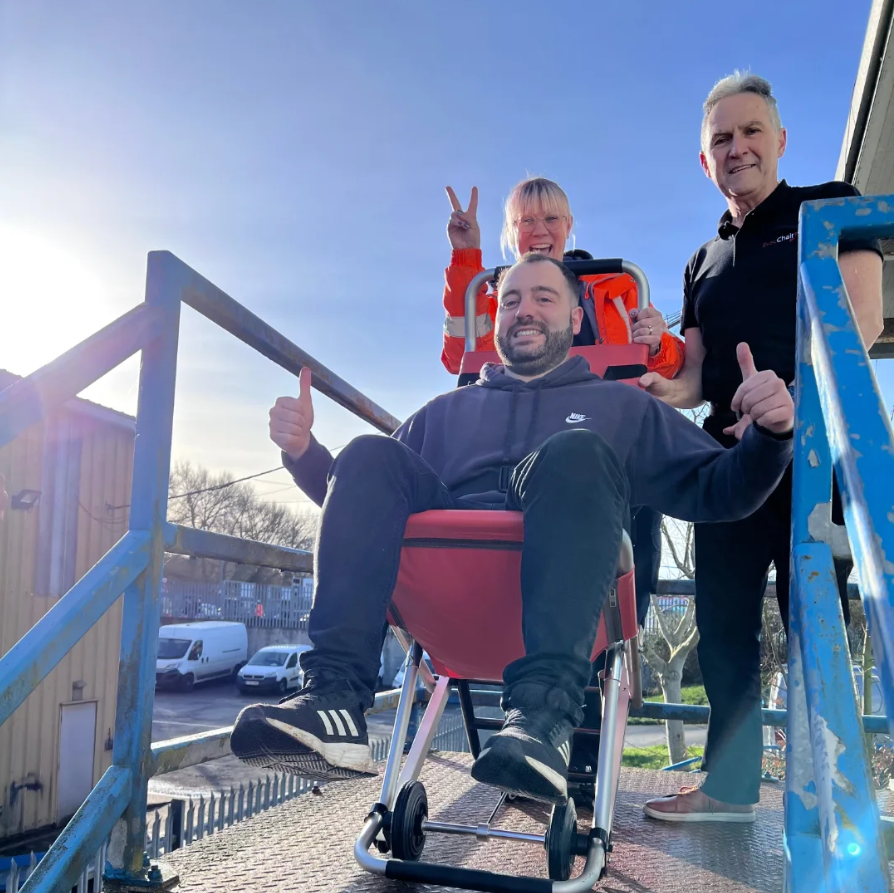
Are you equipped to evacuate your site in an emergency?
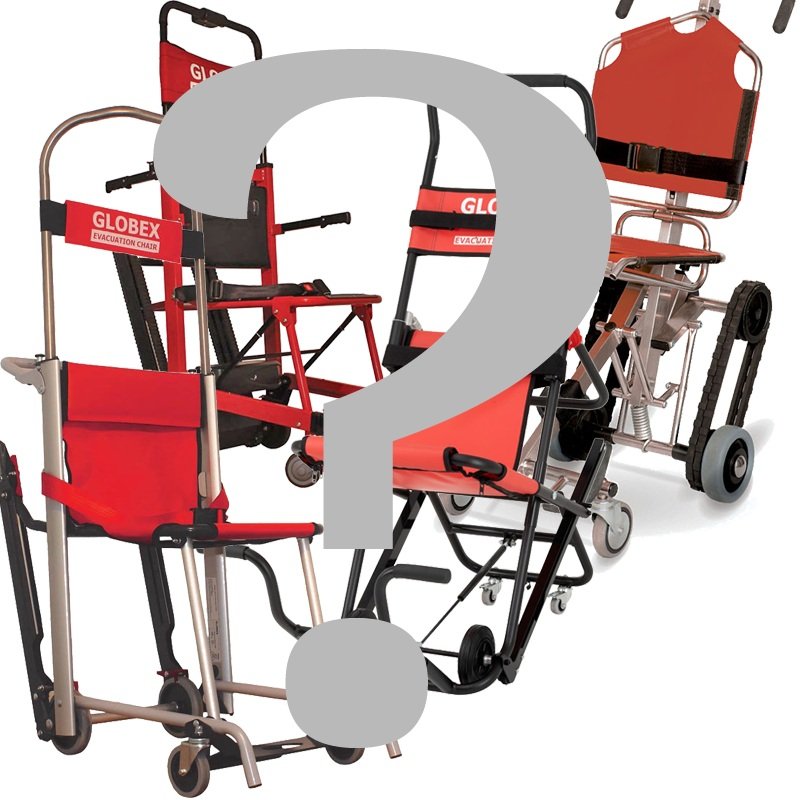
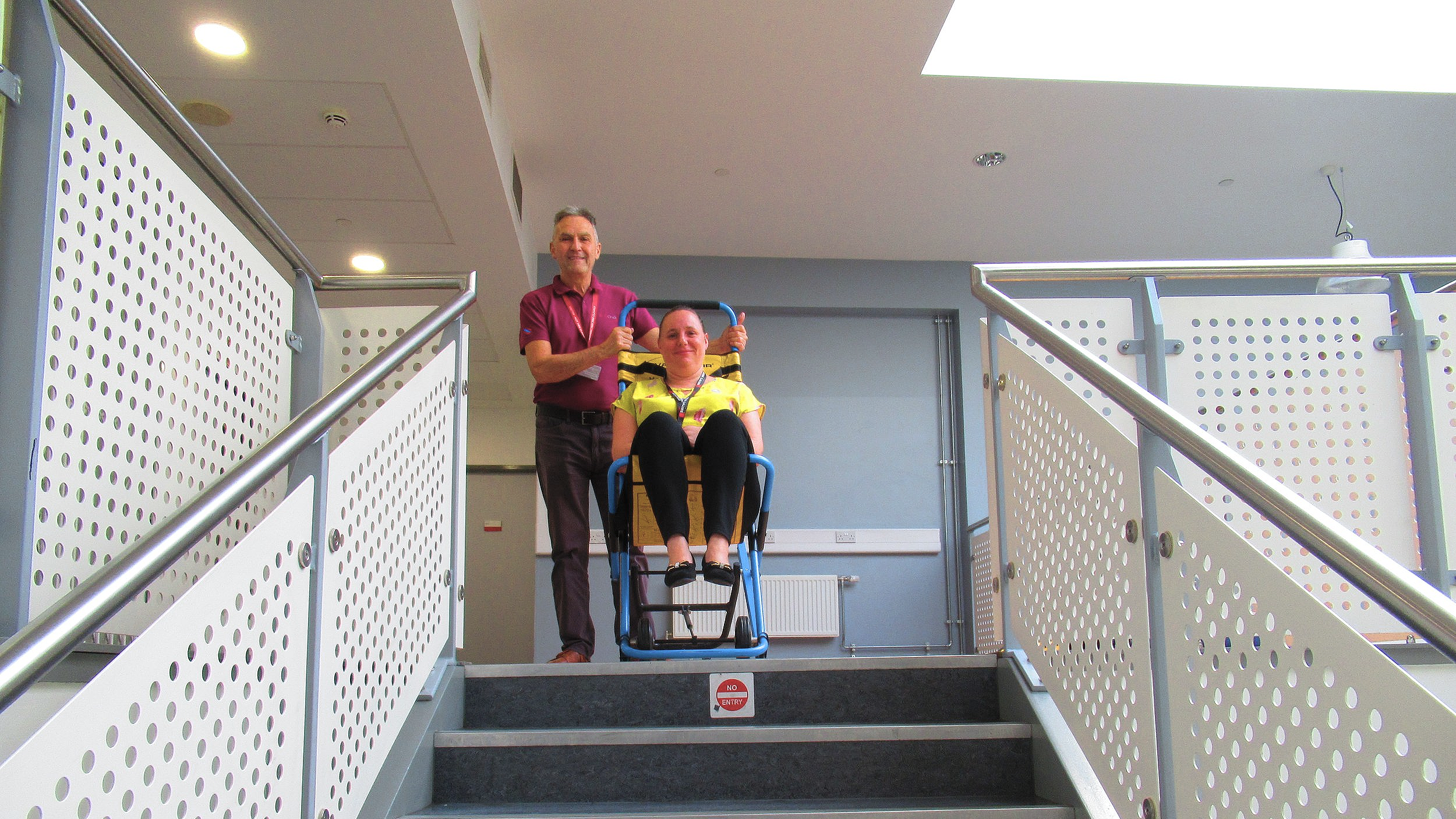
Emergency evacuations can be very chaotic, presenting a serious threat to the safety of people. Whatever the situation, an evacuation chair will provide safe and easy transportation for the less mobile. It is the best choice you can make for evacuating people who aren't able to exit by themselves.
Our Services
Helping Your Organisation Evacuate Everyone Safely

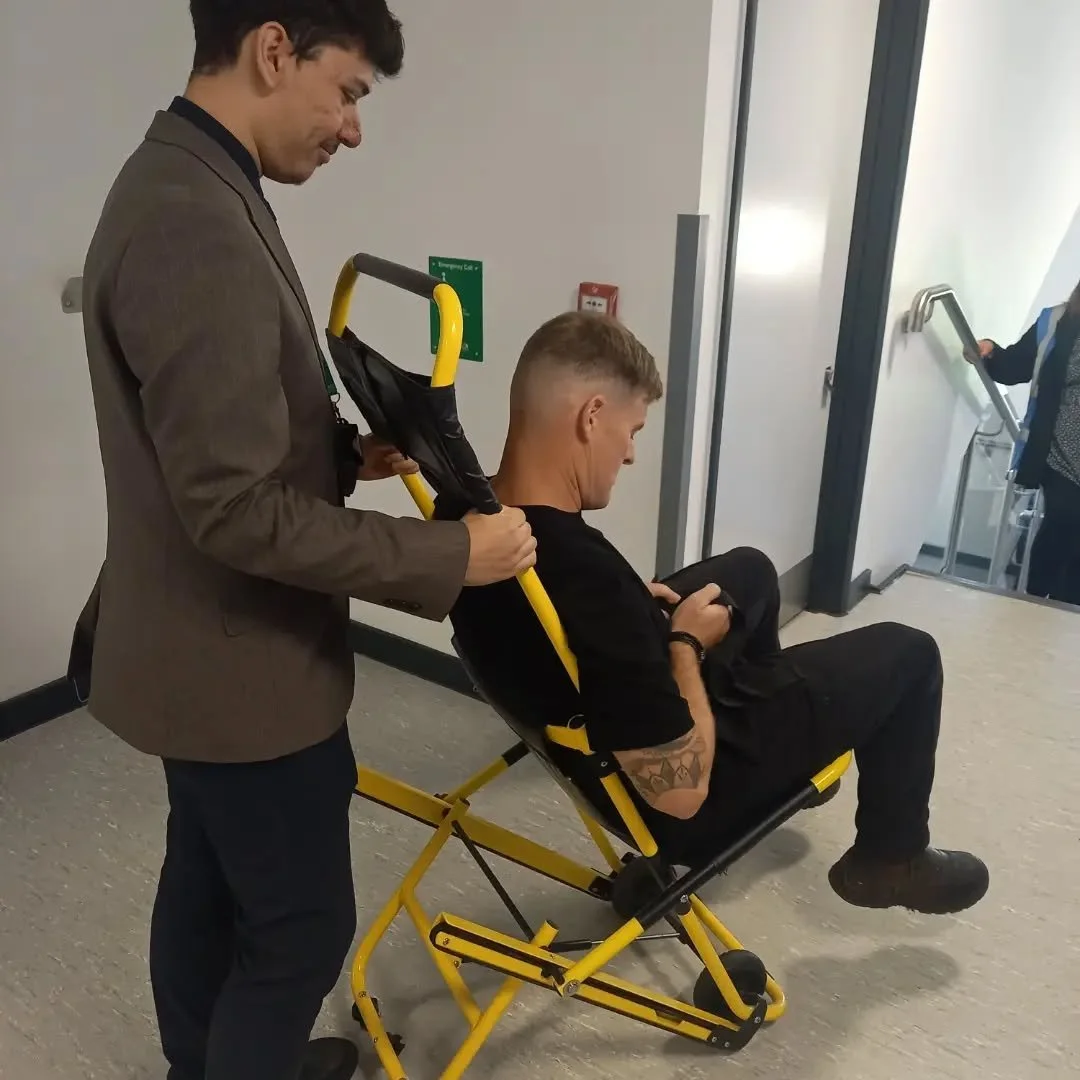
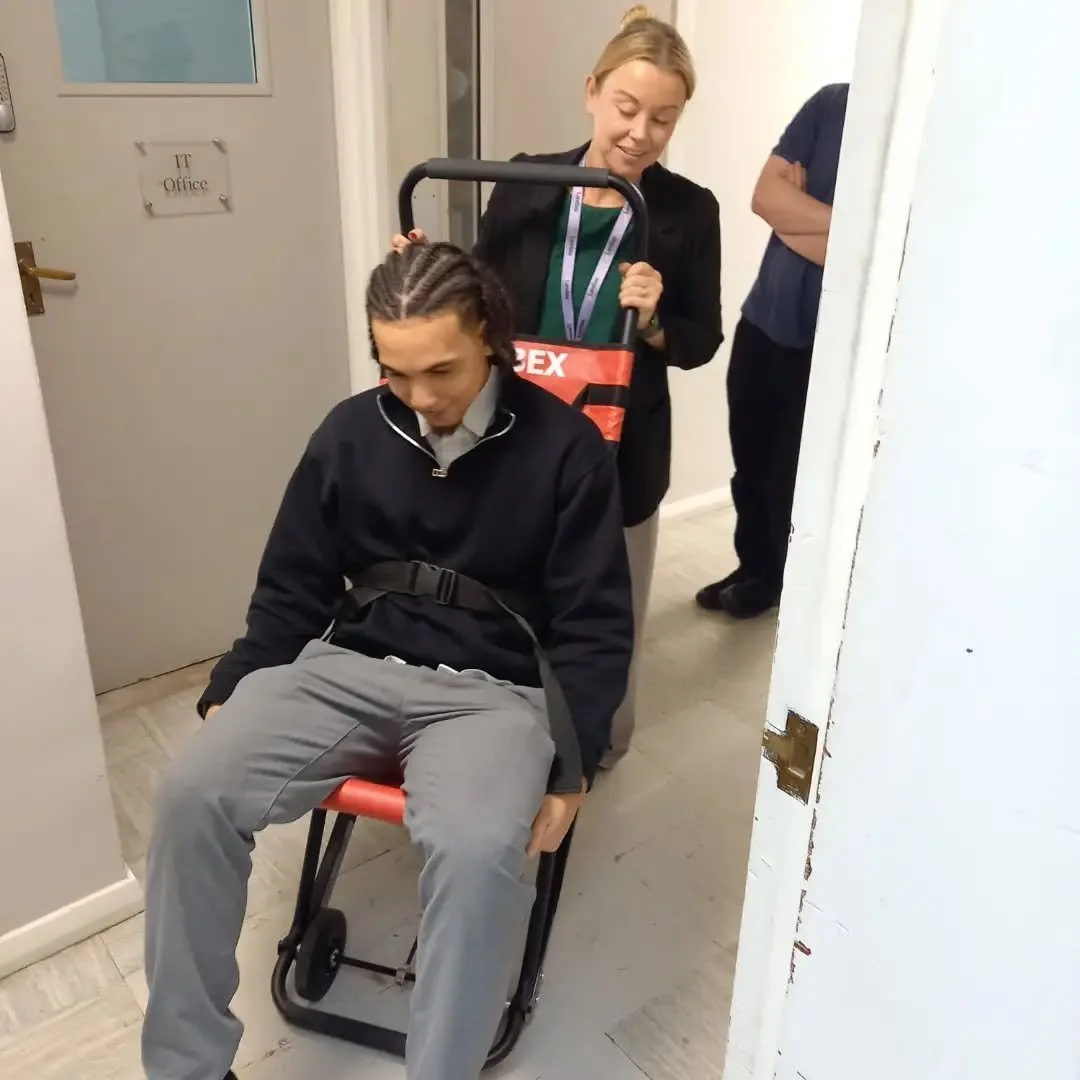
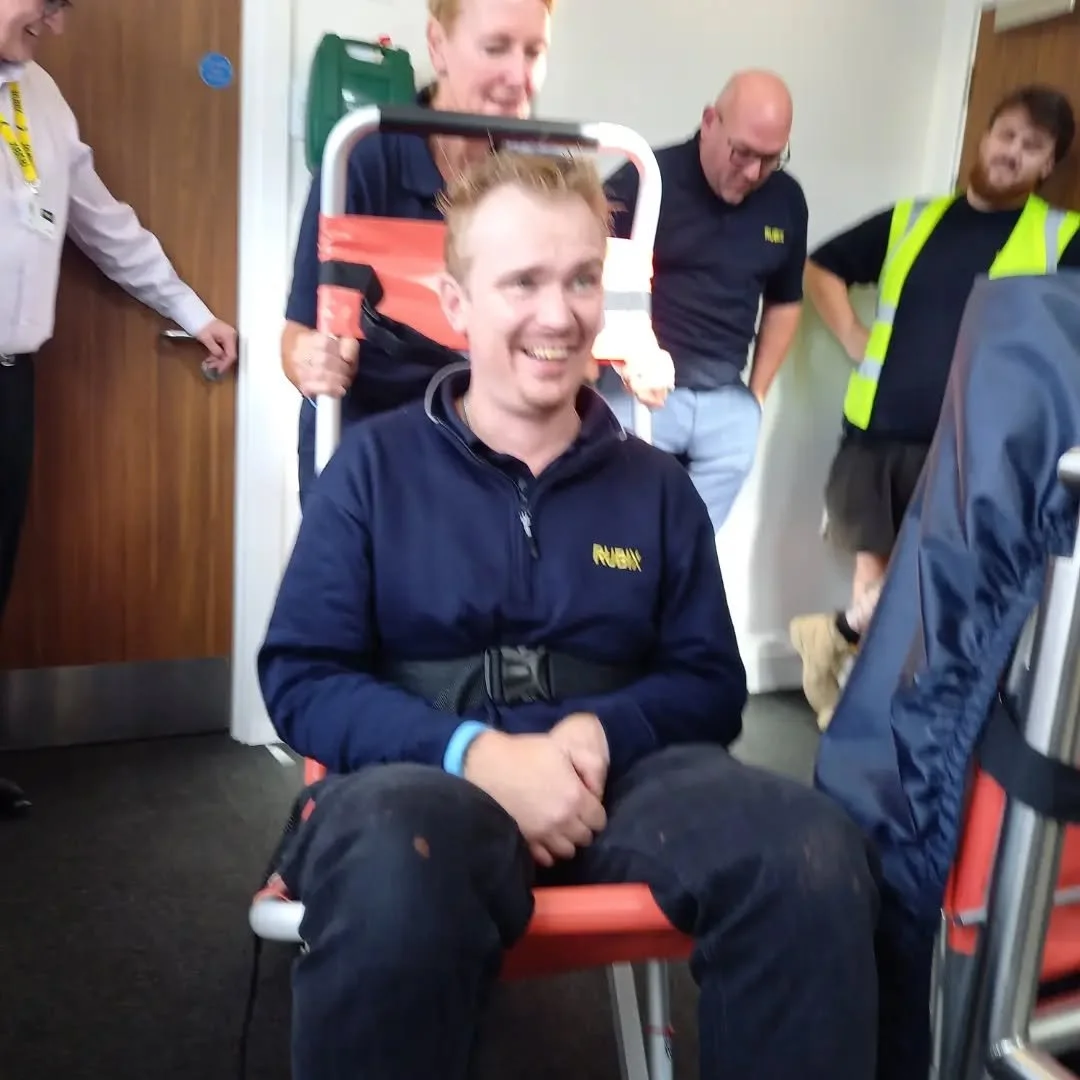
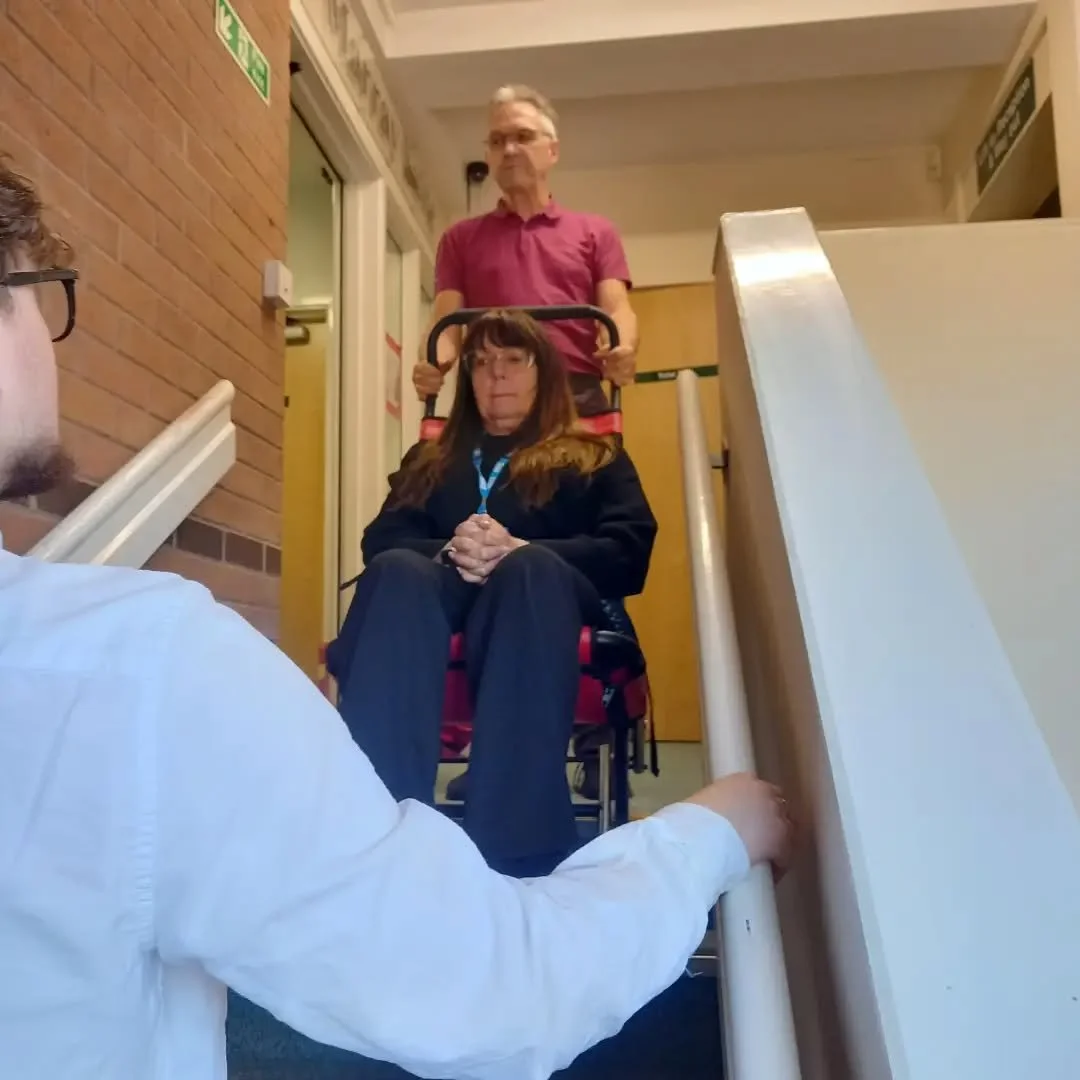
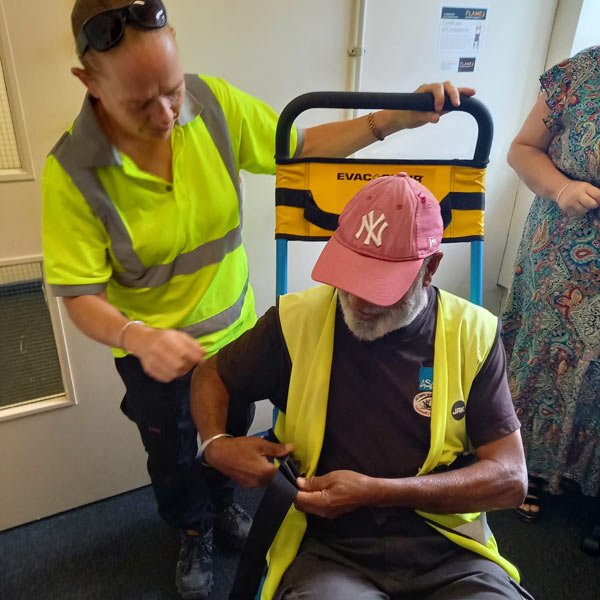
Evacuation Chair Training
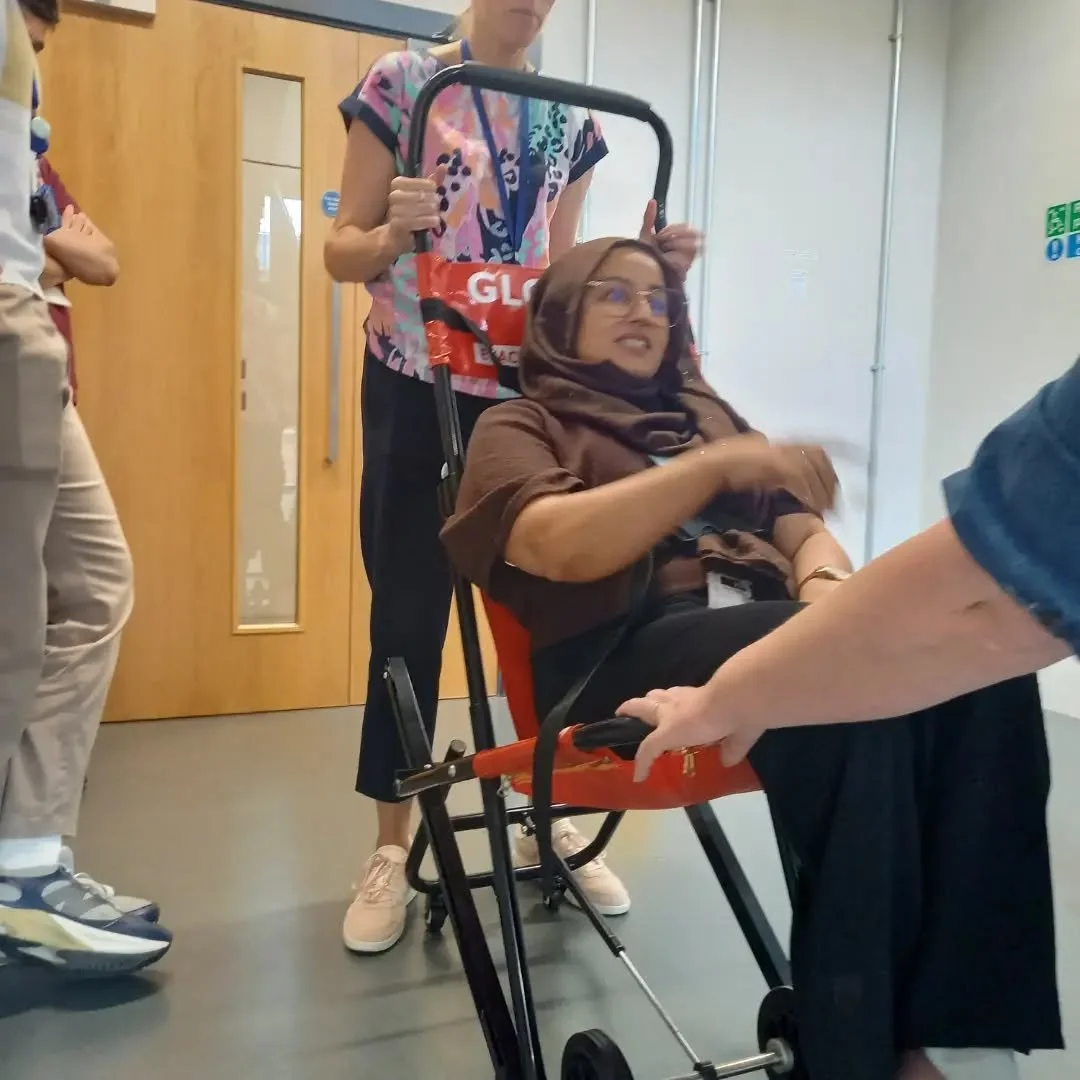
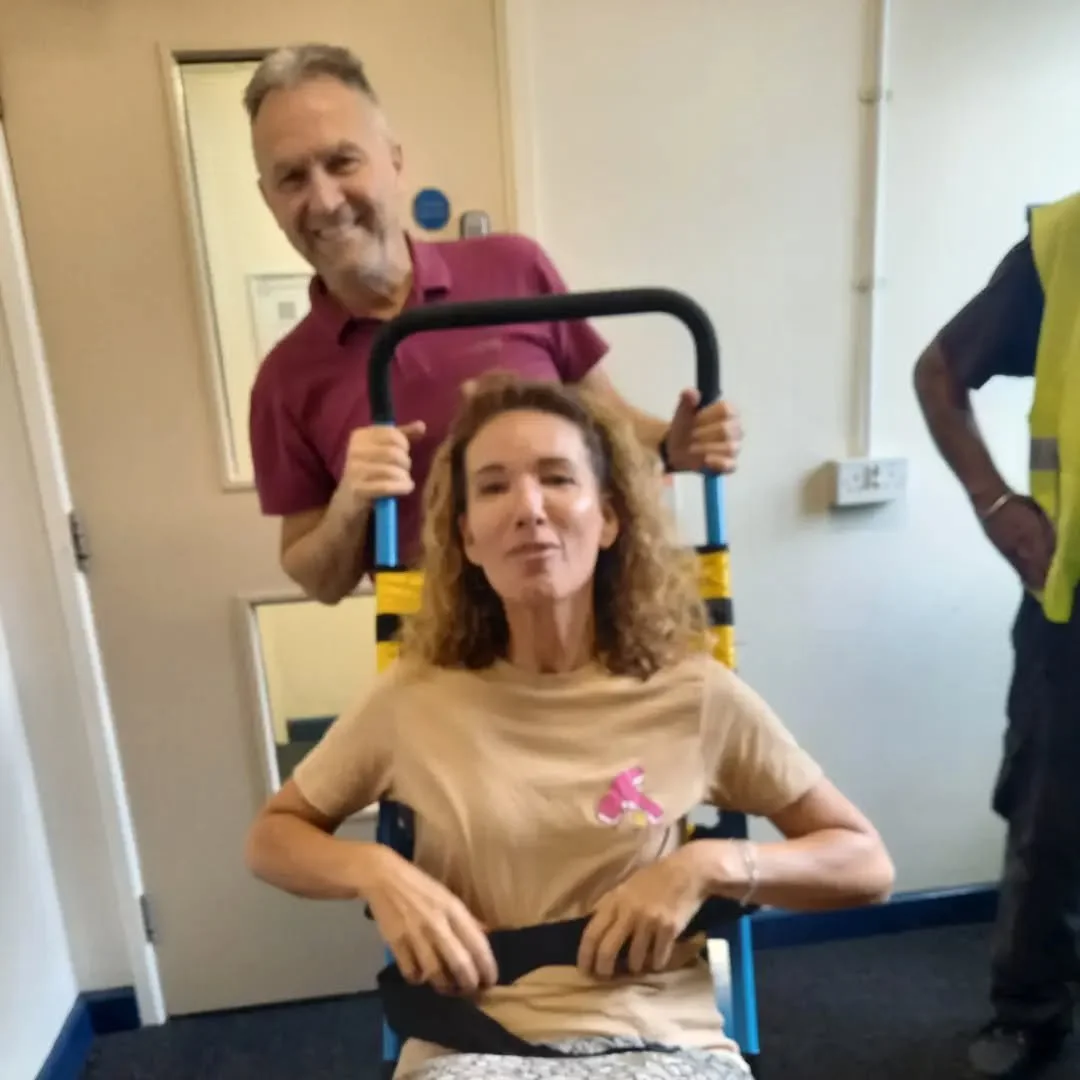
The course is designed to train key members of staff give responsibility by their employer to assist in the evacuation of the mobility impaired within their premises.

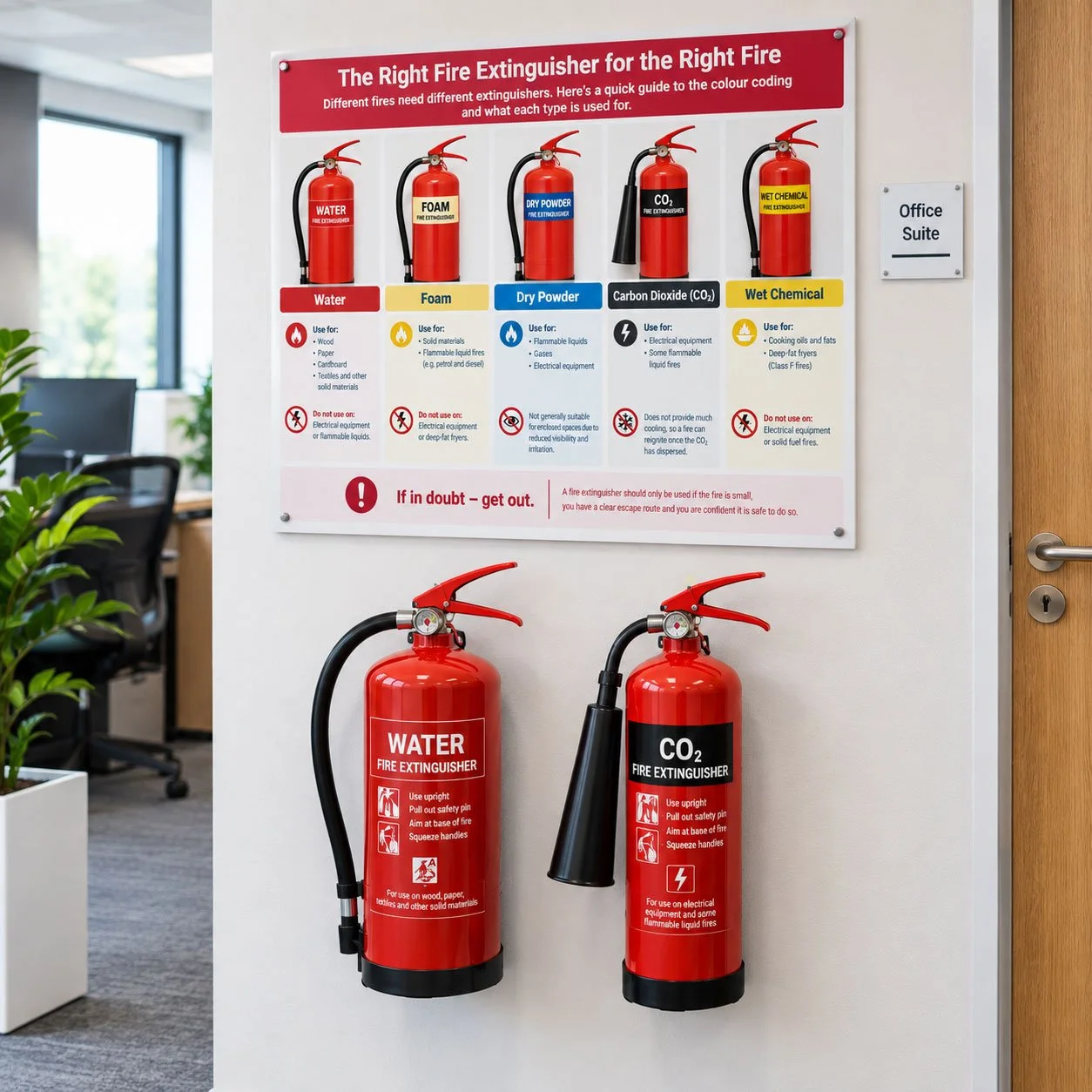
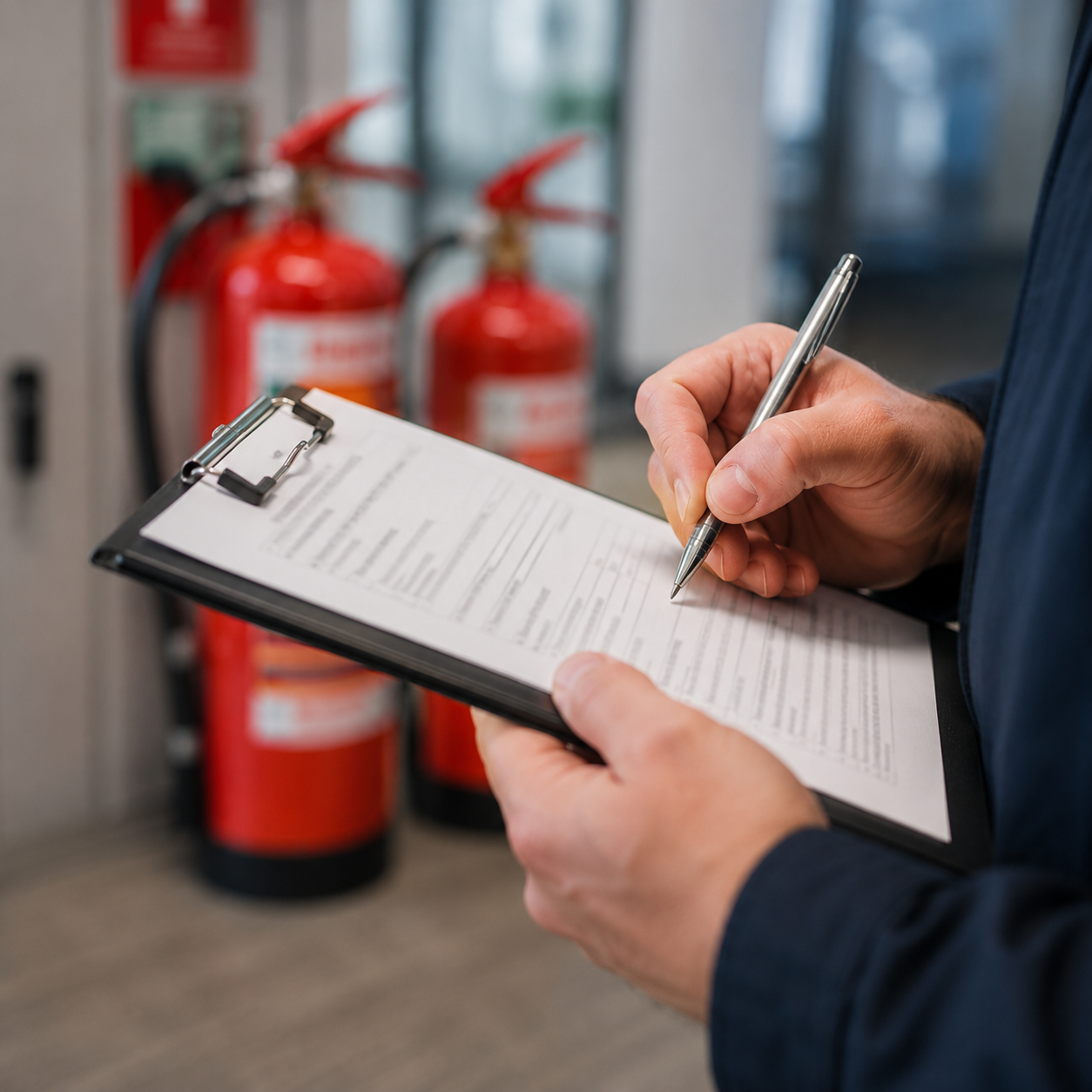
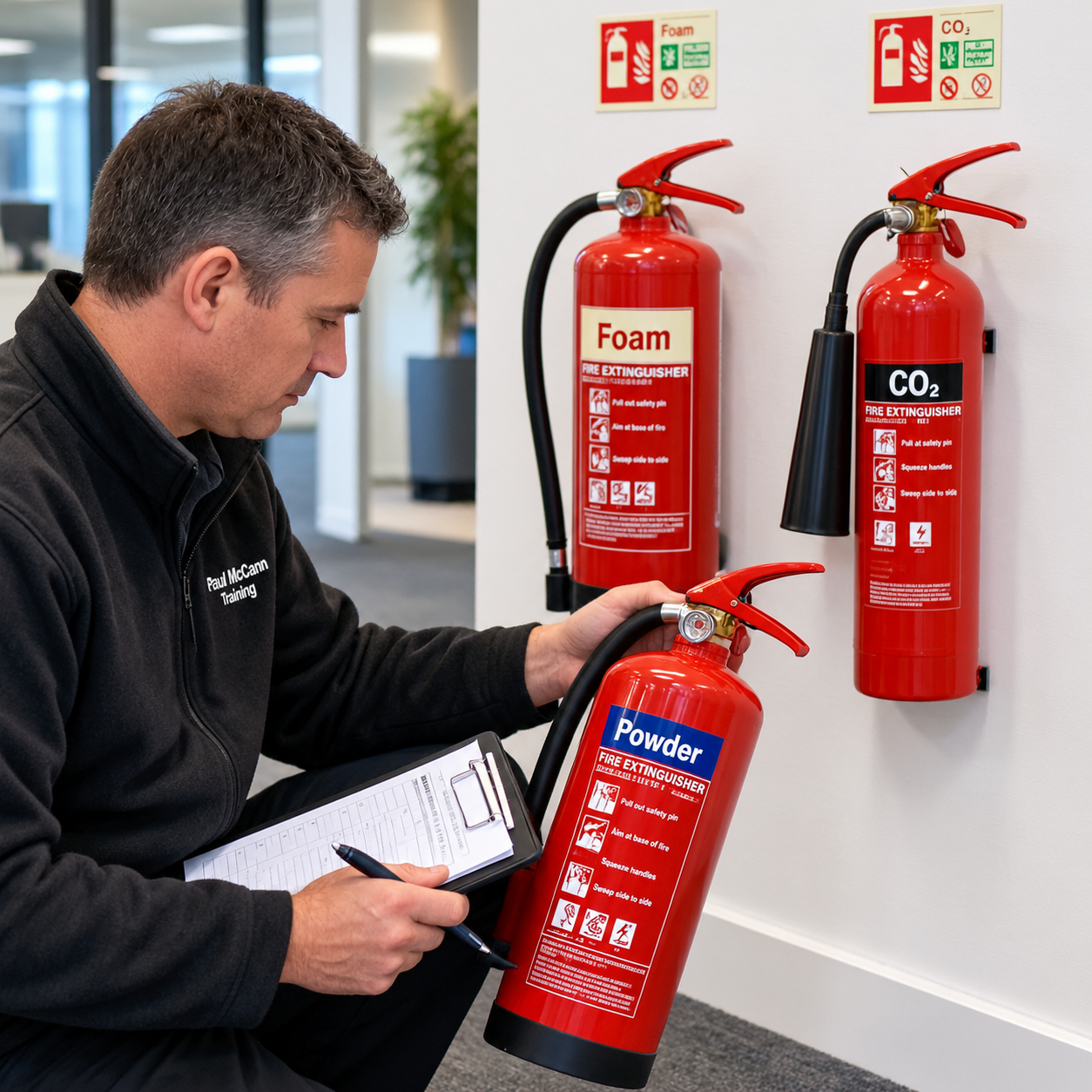
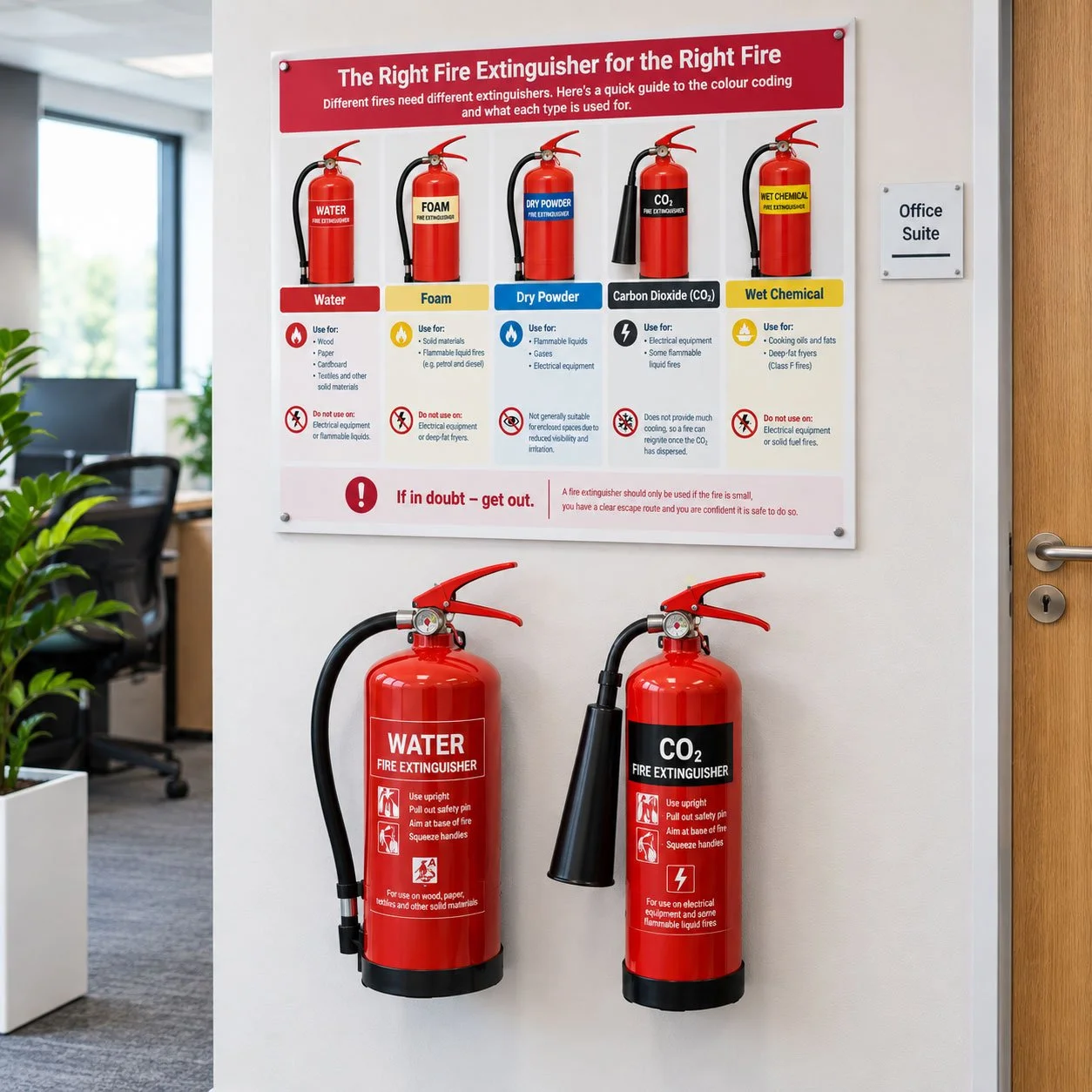
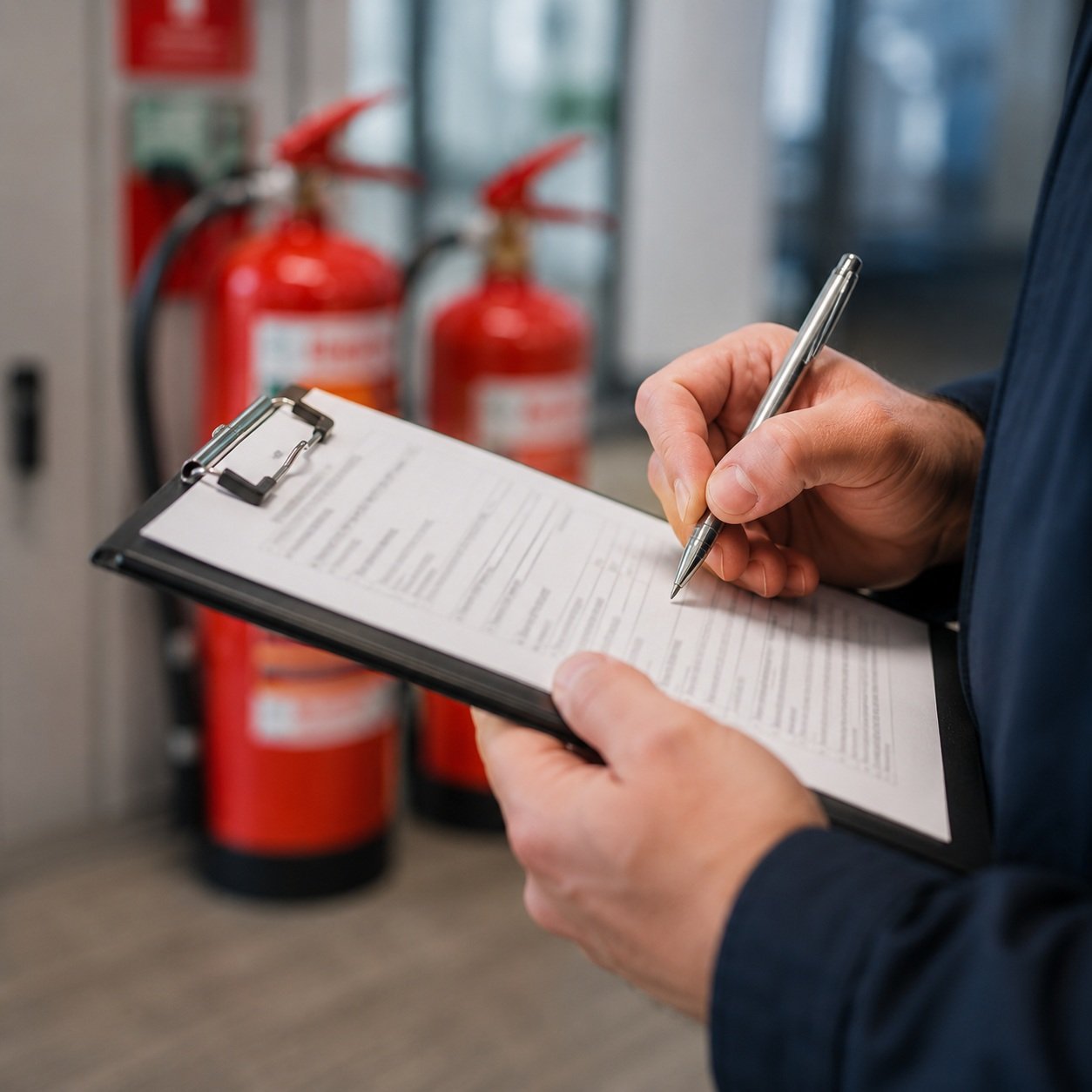
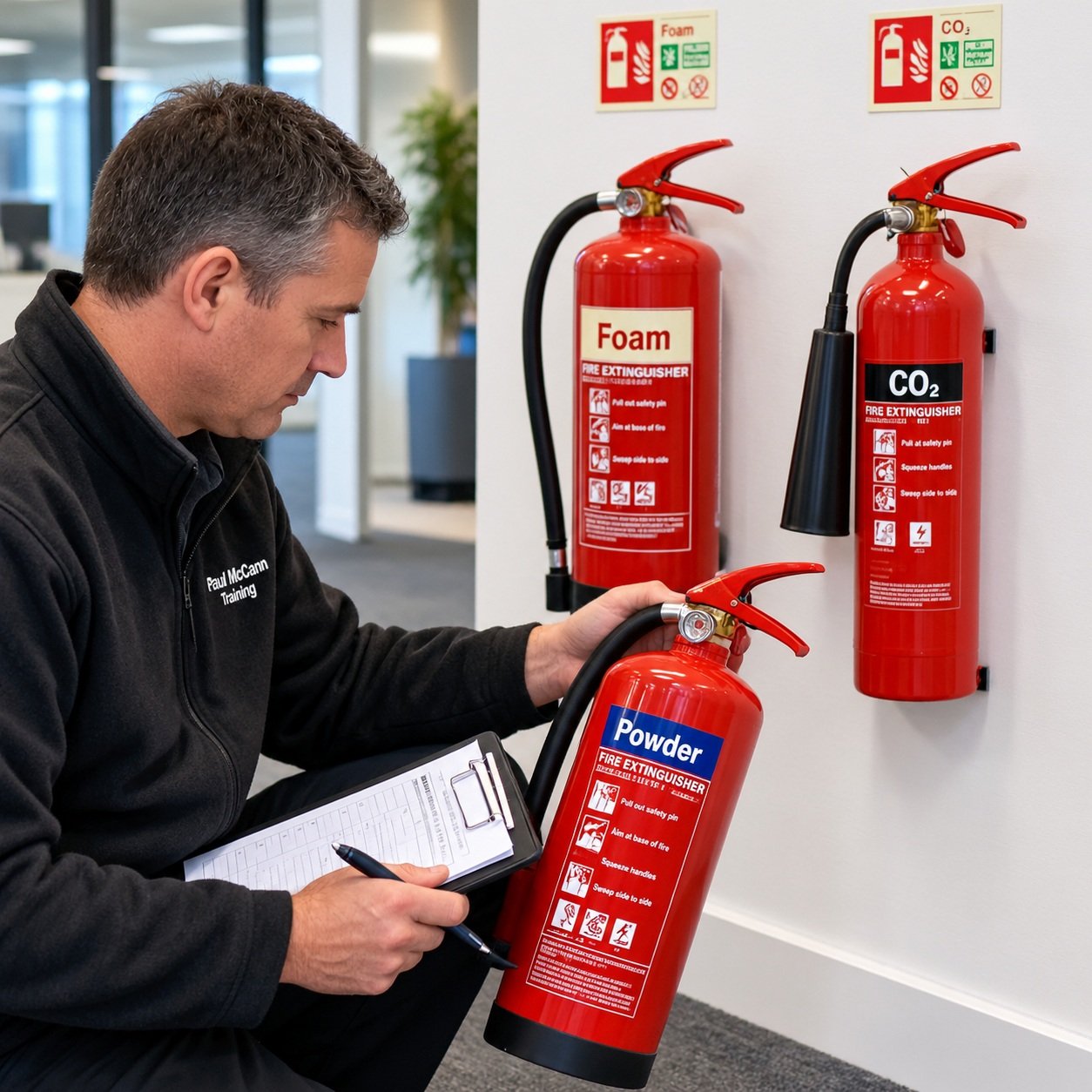
Fire Extinguisher Servicing
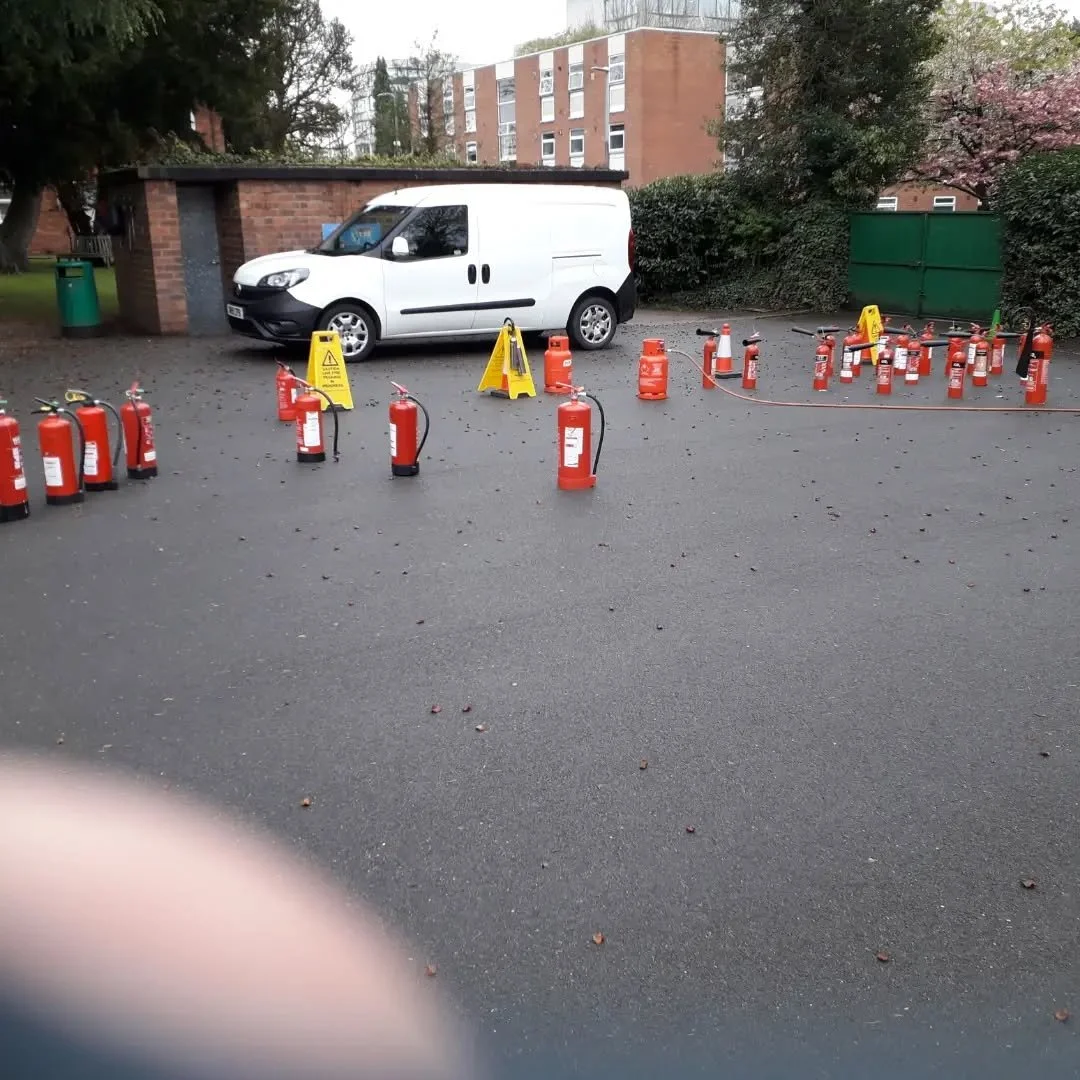
Fire extinguishers need to be regularly inspected and maintained to ensure they remain in good working order and are ready to use if a fire occurs.
Fire Marshal Training
Fire Marshal Training gives nominated members of your team the knowledge and confidence to help prevent fire risks and support your fire safety arrangements
.

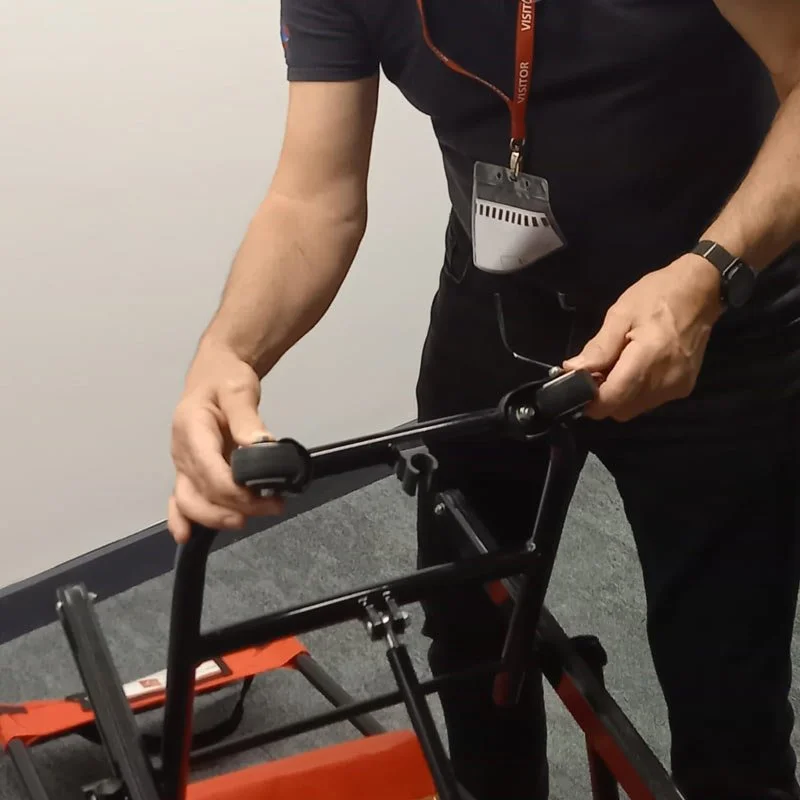
Evacuation Chair Servicing
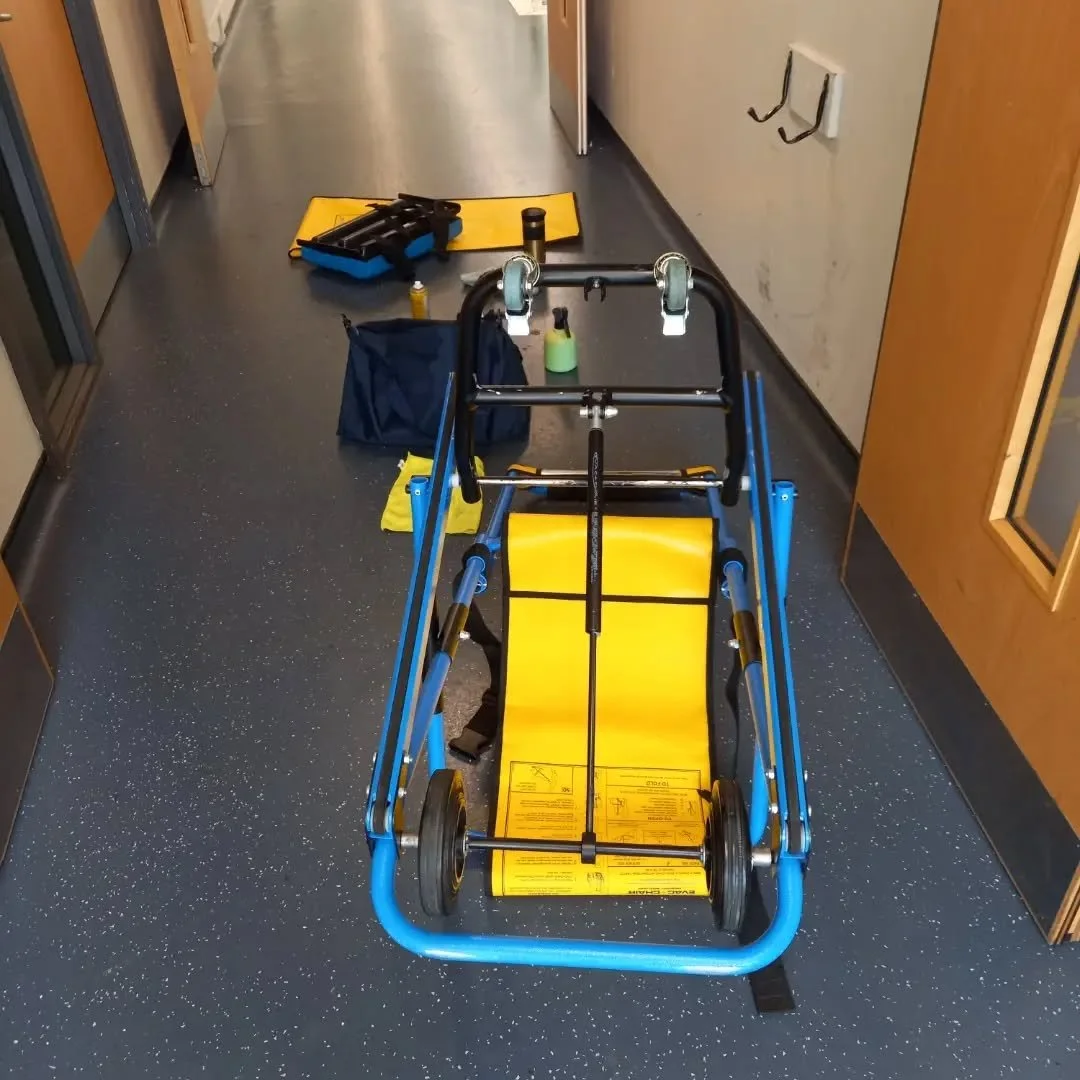
As a Class 1 Medical Device, your product should be regularly inspected and maintained to ensure its safe operation and that people’s health and safety are not at risk.
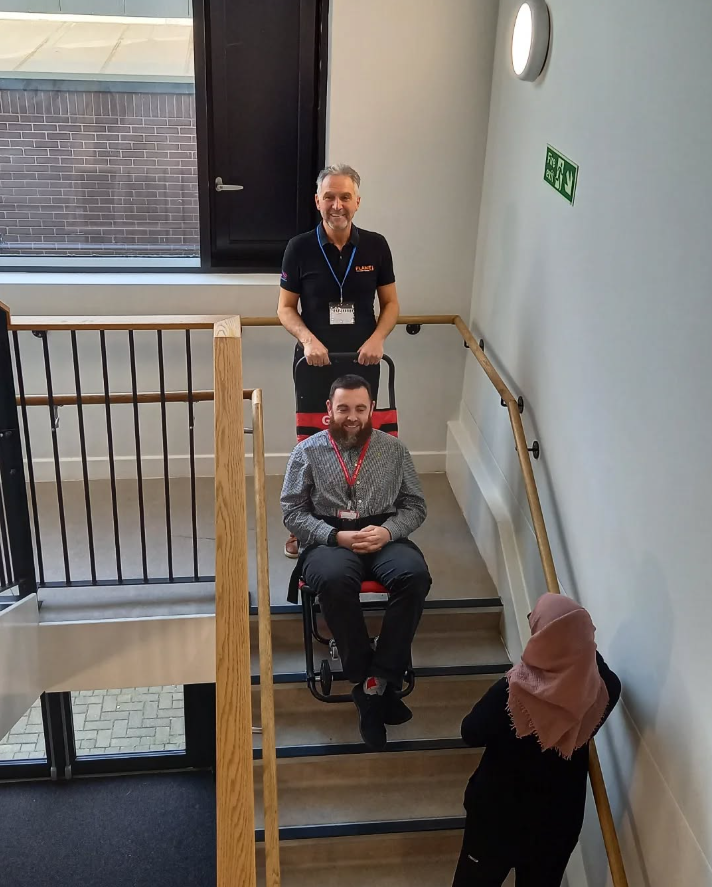
Evacuation Chair Legal Training Requirements
The Regulatory Reform (Fire Safety) Order 2005, requires that all people using the building be provided with adequate means of escape in case of fire. This includes a suitable escape plan for mobility impaired persons. (Personal Emergency Evacuation Plan)
Anyone permitted into a building must be safely evacuated in the event of an emergency without the dependence of the emergency services. There is a legal requirement for employers and service providers to ensure the safe evacuation of mobility impaired persons and Disability Discrimination legislation places stringent demands on every organisation to meet its Duty of Care.
Learn more in our blog “Do You Legally Need an Evacuation Chair? UK Requirements Explained”.
It is essential that when an evacuation chair is purchased, a suitable training system is also implemented. For complete safety, we advise that two people are present at all times to assist and open doors on the exit routes.
Not sure what you need?
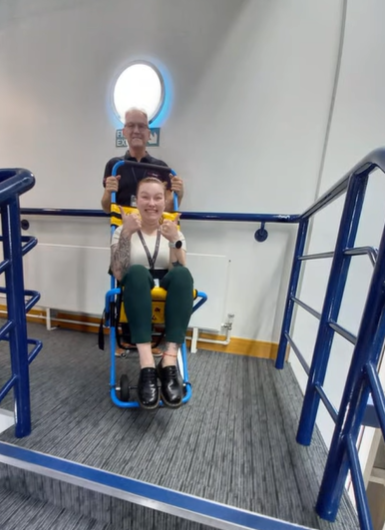
Our Evacuation Chair Training Course
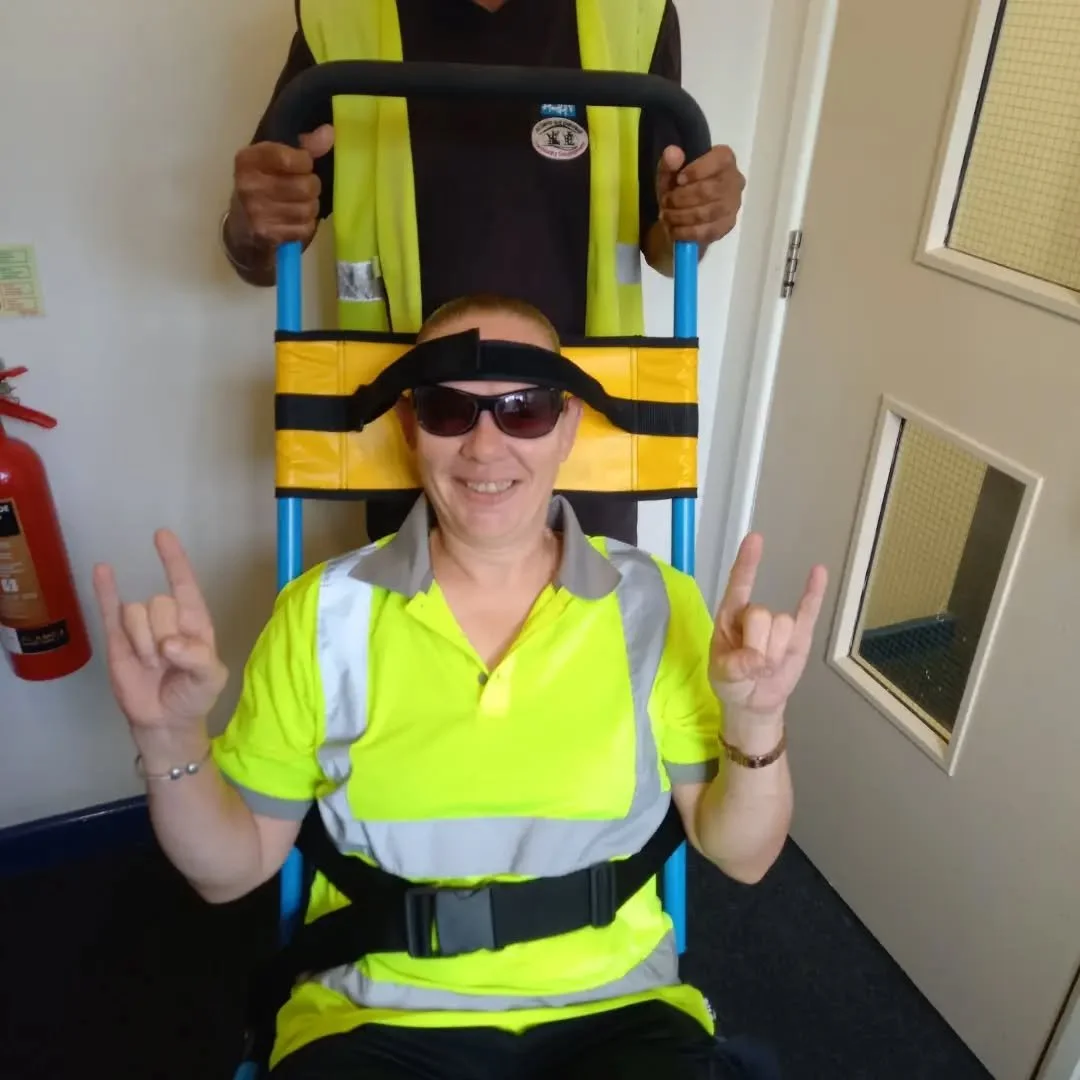
Our course is designed to train key members of staff who have been given responsibility by their employer to assist in the evacuation of the mobility impaired within their premises.
We will:
Train your staff on how to use an evacuation chair safely in an emergency in line with The Regulatory Reform (Fire Safety) Order 2005
Ensure that your evacuation chairs are maintained for safe operation in line with PUWER Regulation. (Provision and Use of Works Equipment Regulations 1998).
Carry out onsite survey to ensure you have the correct amount and type of evacuation chairs.
Find out more about our training courses or contact Paul McCann today on 07412 394622.

Why choose us?
Why organisations choose
Paul McCann Training
✓ Practical hands-on training
✓ Independent advice
✓ Training on multiple chair brands
✓ Sales, servicing and inspections
✓ Training at your premises
✓ Friendly, experienced instructor
✓ Flexible course dates
✓ Ongoing support
Helping Your Organisation Evacuate Everyone Safely
Whether you need:
✔ Evacuation chair training
✔ Annual inspections
✔ Advice on choosing the right evacuation chair
✔ Refresher training
✔ Independent guidance on PEEPs
I'm here to help.
Over the last 28 years, I’ve trained over 15,000 people across hundreds of sites and all types of organisations and businesses.