
Fire Extinguisher Servicing
Professional fire extinguisher inspection and servicing for businesses
Fire extinguishers are an essential part of your workplace fire safety arrangements, but simply having extinguishers on the wall is not enough. They need to be regularly inspected and maintained to ensure they remain in good working order and are ready to use if a fire occurs.
Paul McCann Training now provides professional fire extinguisher inspection, testing and servicing for businesses and organisations throughout the West Midlands and surrounding areas.
With extensive experience in workplace fire safety, Paul provides a practical, professional service designed to help businesses keep their fire extinguishers properly maintained and their fire safety arrangements up to date.
Need your fire extinguishers inspected or serviced?
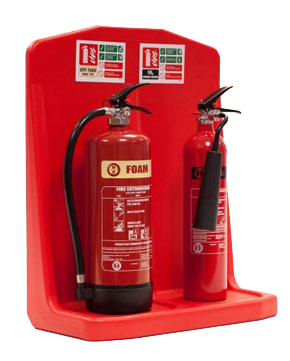
Why do fire extinguishers need servicing?
The Regulatory Reform (Fire Safety) Order 2005 places responsibilities on the Responsible Person to ensure that fire safety equipment provided on the premises is maintained in an efficient state, in efficient working order and in good repair.
Government guidance specifically identifies fire extinguishers as equipment that should be regularly inspected, tested and serviced, with maintenance carried out by a competent person. (GOV.UK)
Regular professional servicing helps identify problems that may not be apparent during a simple visual check, including corrosion, damage, pressure issues, and component deterioration.
It also provides an opportunity to check that the extinguishers provided remain appropriate for the fire risks present within your premises.
What does fire extinguisher servicing involve?
A professional inspection involves much more than simply checking that an extinguisher is still hanging on the wall.
Depending on the type and manufacturer of the extinguisher, servicing can involve partial disassembly and a detailed inspection of its components and condition.
Checks can include:
Checking that the extinguisher is suitable for the risks present
Inspecting the operating pressure
Checking for corrosion or damage that could affect the extinguisher's integrity
Inspecting the discharge assembly and operating mechanism
Checking pressure indicators where fitted
Inspecting the condition of the extinguisher and internal lining where applicable
Checking the extinguisher's weight against its recorded weight
Checking wall brackets and their condition
Replacing seals and tamper indicators where required
Checking service dates and maintenance requirements
Identifying extinguishers that require further work, replacement or extended servicing
The exact inspection procedure will depend on the extinguisher type, manufacturer and its service history.
Service labels and records
Following inspection, the extinguisher will be appropriately labelled to provide a clear record of its maintenance.
The service information can include the date of inspection, the condition of the extinguisher, the recorded weight, the date when the next inspection is due, and the details of the person or company carrying out the service.
Maintaining accurate records is an important part of managing your organisation's fire safety arrangements and demonstrating that fire safety equipment is being appropriately maintained.
What happens if an extinguisher has been used?
Even if only a small amount of extinguishing agent has been discharged, the extinguisher should not simply be put back on the wall.
Once an extinguisher has been used, it needs to be assessed and, where appropriate, recharged or otherwise serviced so that it is ready for use again.
Paul can advise on the condition of extinguishers that have been discharged and whether they can be returned to service or should be replaced.
How often should fire extinguishers be serviced?
Fire extinguishers should form part of your organisation's regular fire safety inspection and maintenance arrangements.
The appropriate servicing regime will depend on the type of equipment, the premises, the risks identified by your fire risk assessment and the relevant maintenance guidance.
In addition to professional servicing, responsible persons should ensure that appropriate routine checks are carried out. These can identify obvious problems such as an extinguisher being obstructed, damaged, discharged or missing its tamper seal.
Any defects should be recorded and dealt with promptly.
A practical service for businesses
Paul McCann Training provides a straightforward, professional approach to fire extinguisher servicing.
The aim is not simply to inspect the equipment, but to help you understand whether your extinguishers are suitable, correctly positioned and being properly maintained as part of your wider fire safety arrangements.
If an extinguisher is damaged, unsuitable or approaching the end of its serviceable life, Paul can explain the issue and advise you on the appropriate next step.
Upon completion of the inspection and servicing, the organisation will receive a certificate confirming that the service of the firefighting equipment has been completed in accordance with BS 5306-3:2017, which sets out the rules for commissioning, inspection, and maintenance of portable fire extinguishers.
Fire extinguisher servicing across the West Midlands
Paul McCann Training is based in the West Midlands and provides fire safety services to businesses and organisations across the region.
If you are responsible for fire safety within your workplace and need your fire extinguishers inspected or serviced, get in touch with Paul for advice or a quotation.
Book your fire extinguisher inspection
Don't leave the maintenance of your fire extinguishers until you need them.
Contact Paul McCann Training to arrange a fire extinguisher inspection or servicing visit.
Call Paul on 07412 394622 or email.